The compliance gap between a demo and a deployment
The distance from “it works on stage” to “it is legal on your floor”.
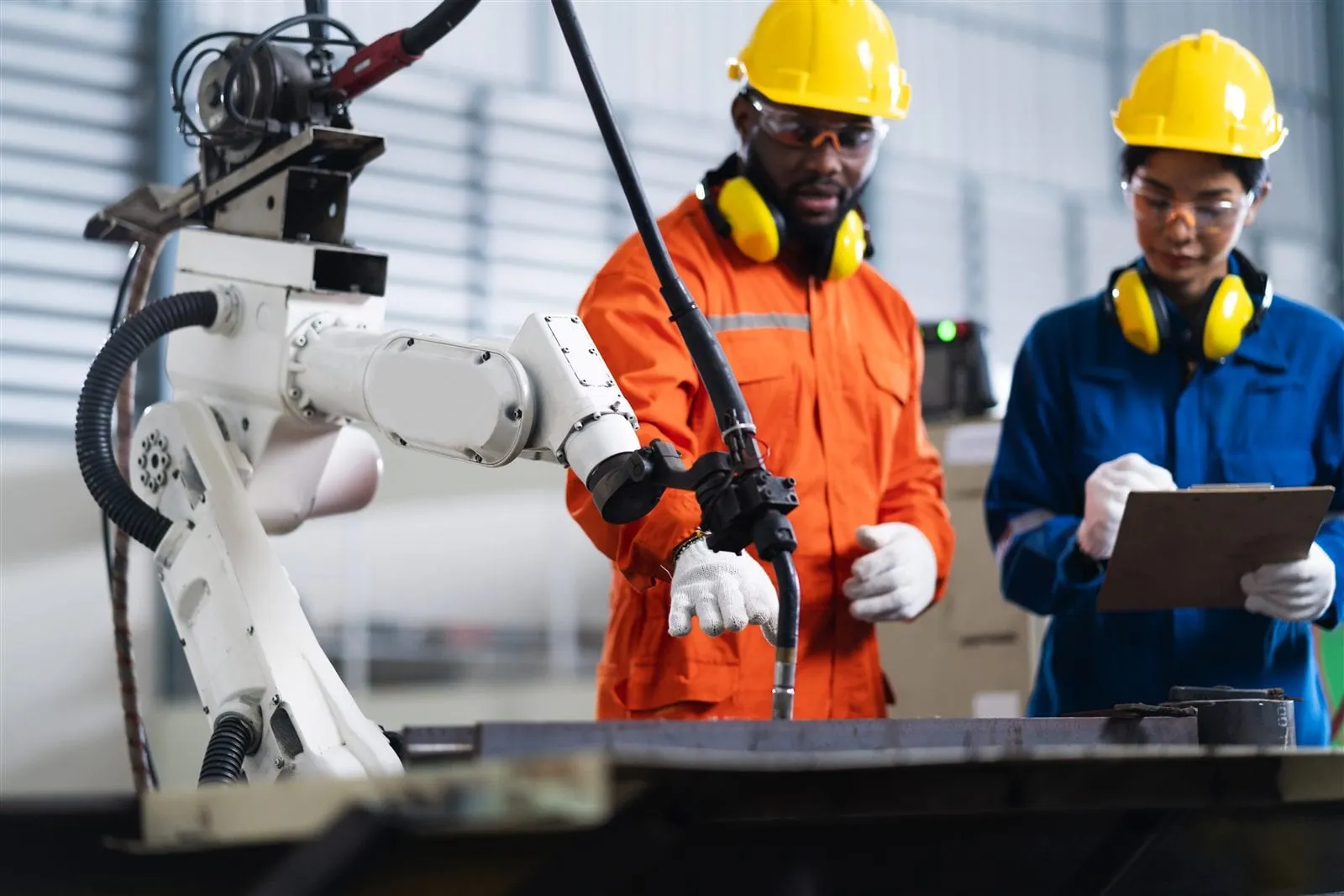
The 70% that decides whether a deployment survives month three.
Buy the robot and you have bought roughly a third of what a working deployment needs.
The machine is the visible part — the part in the render, the part in the pitch. What actually keeps it moving is everything wrapped around it: the integration into an existing workflow, the service contract behind it, and the staff who know what to do when it stops.
Buyers who budget for the robot alone are budgeting for a third of the project. The other two-thirds show up later, usually as a surprise.
“The robot is the easy part of a deployment. The service contract, the integration and the workflow redesign are the 70% nobody demos.”
Integration is where a capable machine either fits the floor or fights it.
A robot dropped into a workflow that was designed around people rarely performs to spec. Hand-offs, exceptions, and the moments where a human still has to step in all have to be redesigned around the machine, not bolted on afterwards.
The integrators who do this well spend more time mapping the existing workflow than configuring the robot itself. That mapping is unglamorous, and it is most of the job.
WHAT TO TAKE AWAY
The robot is the visible third; service, integration and workflow are the rest.
Integration works best when the workflow is redesigned around the machine, not the other way round.
The team that keeps a deployment running matters as much as the machine itself.
Month three — not the install day — is when a deployment proves it can stand on its own.
Month three is where the paper plan meets the real floor.
The first weeks run on adrenaline and vendor attention. By month three, the novelty has worn off, the original champion may have moved on, and the deployment either runs on its own service and workflow, or it starts to slip.
Operators across Europe, the UK, the Gulf and MENA report the same pattern: deployments that survive month three were the ones where service and integration were planned before the robot arrived, not after.
EDITORIAL RULE
Sourced or silent. Every figure on this page carries an attributed, dated source. Where we could not source a number, we left it out rather than estimate it.
SOURCES

A QUESTION
One person answers — from the first email to the room.
nh_alliance
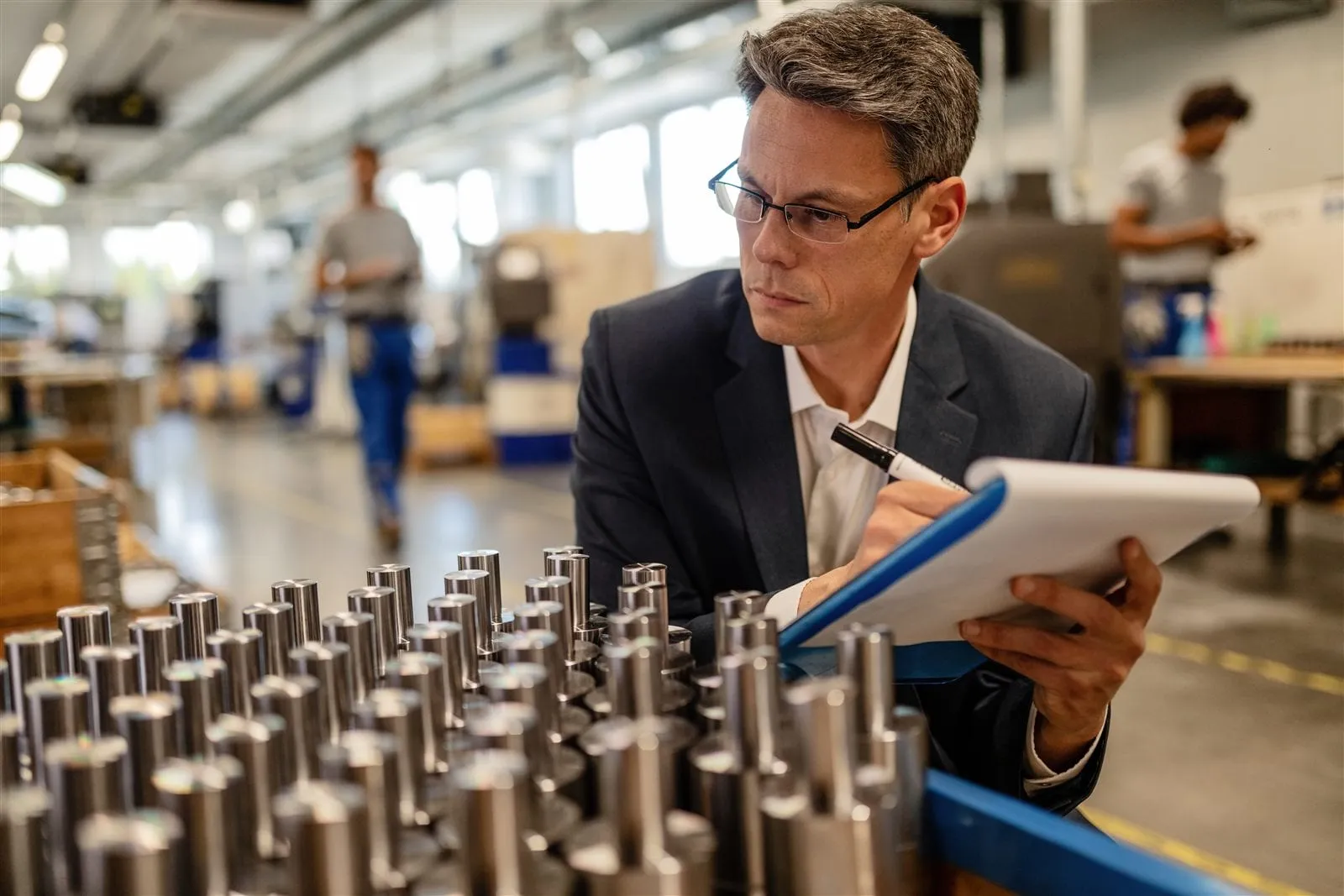
The distance from “it works on stage” to “it is legal on your floor”.
The case for building a business around everything except the robot.

What the national automation targets mean on the ground.