The compliance gap between a demo and a deployment
The distance from “it works on stage” to “it is legal on your floor”.
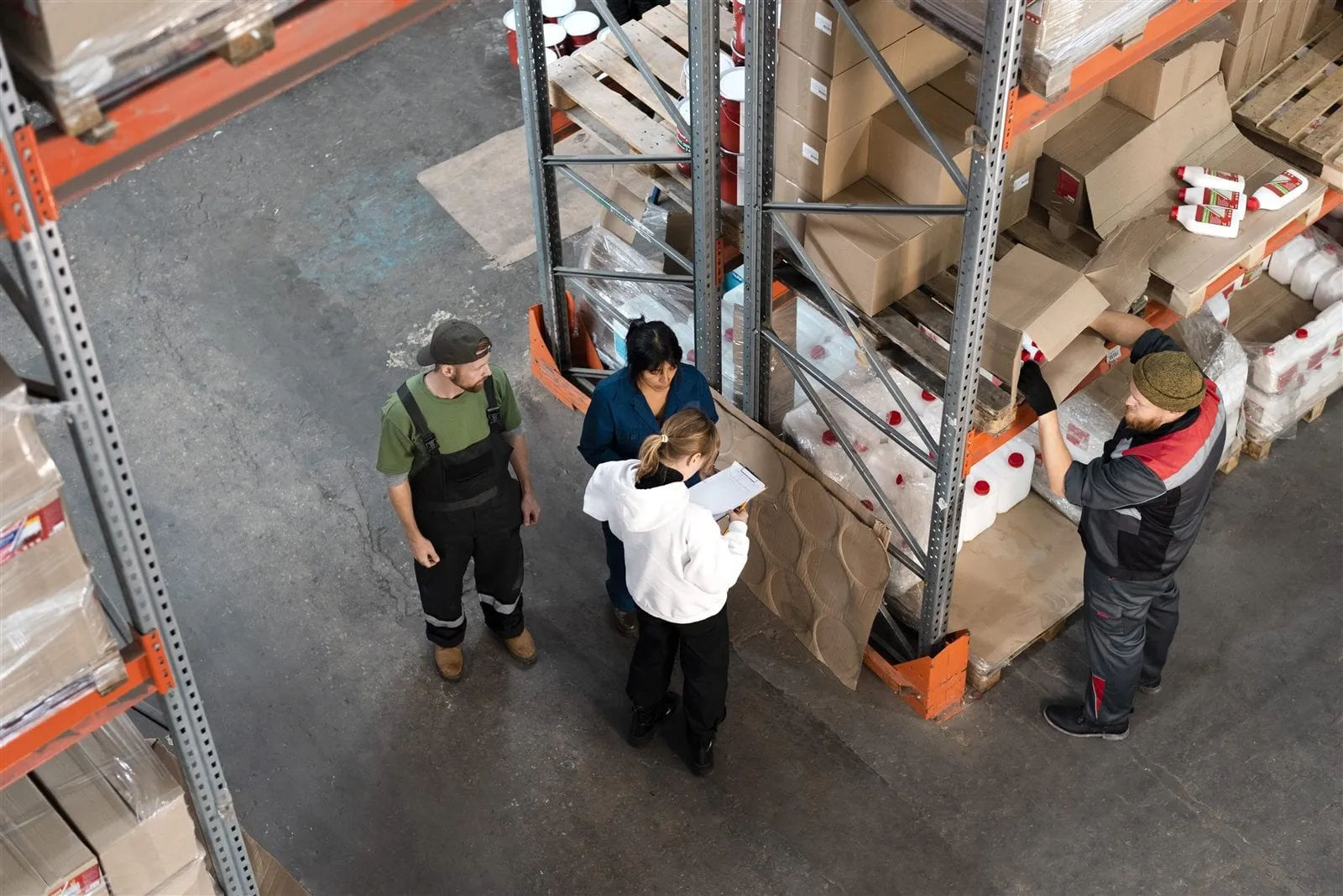
How service machines are built to work a floor full of humans.
A robot on a factory line and a robot on a shop floor face a different safety problem entirely.
A caged industrial arm solves safety by separation: keep the human out of reach. A service robot working a hospitality floor or a warehouse aisle cannot do that — people, carts and stock move through its path continuously.
That difference is why service robotics sits under its own certification questions, distinct from the classical industrial-safety playbook most factories already know.
“An industrial arm is made safe by keeping people away. A service robot has to be safe while people are right next to it.”
The EU Machinery Regulation sets out what "safe by design" has to demonstrate, not just claim.
Under the EU Machinery Regulation 2023/1230, a risk assessment has to account for the specific environment the machine will actually work in — not a generic factory floor, but the site's own traffic, lighting and layout.
Sensing, speed limiting near people, and a documented stop procedure all have to be demonstrated against that site-specific assessment, not against the manufacturer’s default test environment.
WHAT TO TAKE AWAY
A risk assessment is site-specific — a factory’s generic one does not transfer to a new floor.
Ask for evidence of speed-limiting and stopping behaviour around people, not just a spec claim.
The operator’s own stop procedure is part of compliance, not a nice-to-have.
Service robotics is a distinct safety category from classical caged industrial automation.
The operator on the floor is not a bystander to the safety case — they are part of the system being certified.
A stop procedure that nobody on site has been briefed on is not a safety feature, whatever the documentation says. The certification only holds if the people sharing the floor with the machine know how to use it.
That is why a serious deployment always pairs the safety file with a staff briefing, rather than treating the paperwork as the end of the safety conversation.
EDITORIAL RULE
Sourced or silent. Every figure on this page carries an attributed, dated source. Where we could not source a number, we left it out rather than estimate it.
SOURCES

A QUESTION
One person answers — from the first email to the room.
nh_alliance
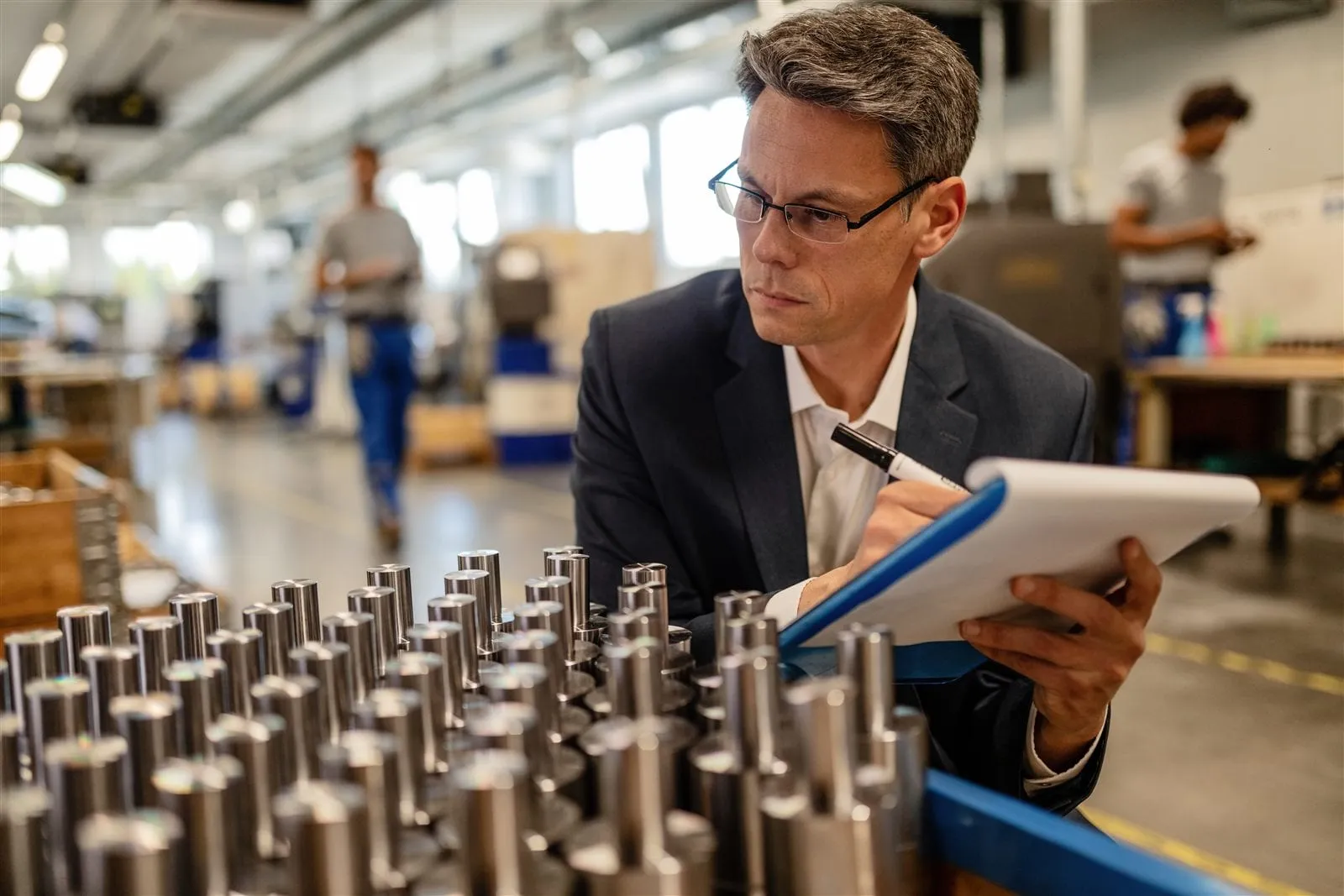
The distance from “it works on stage” to “it is legal on your floor”.
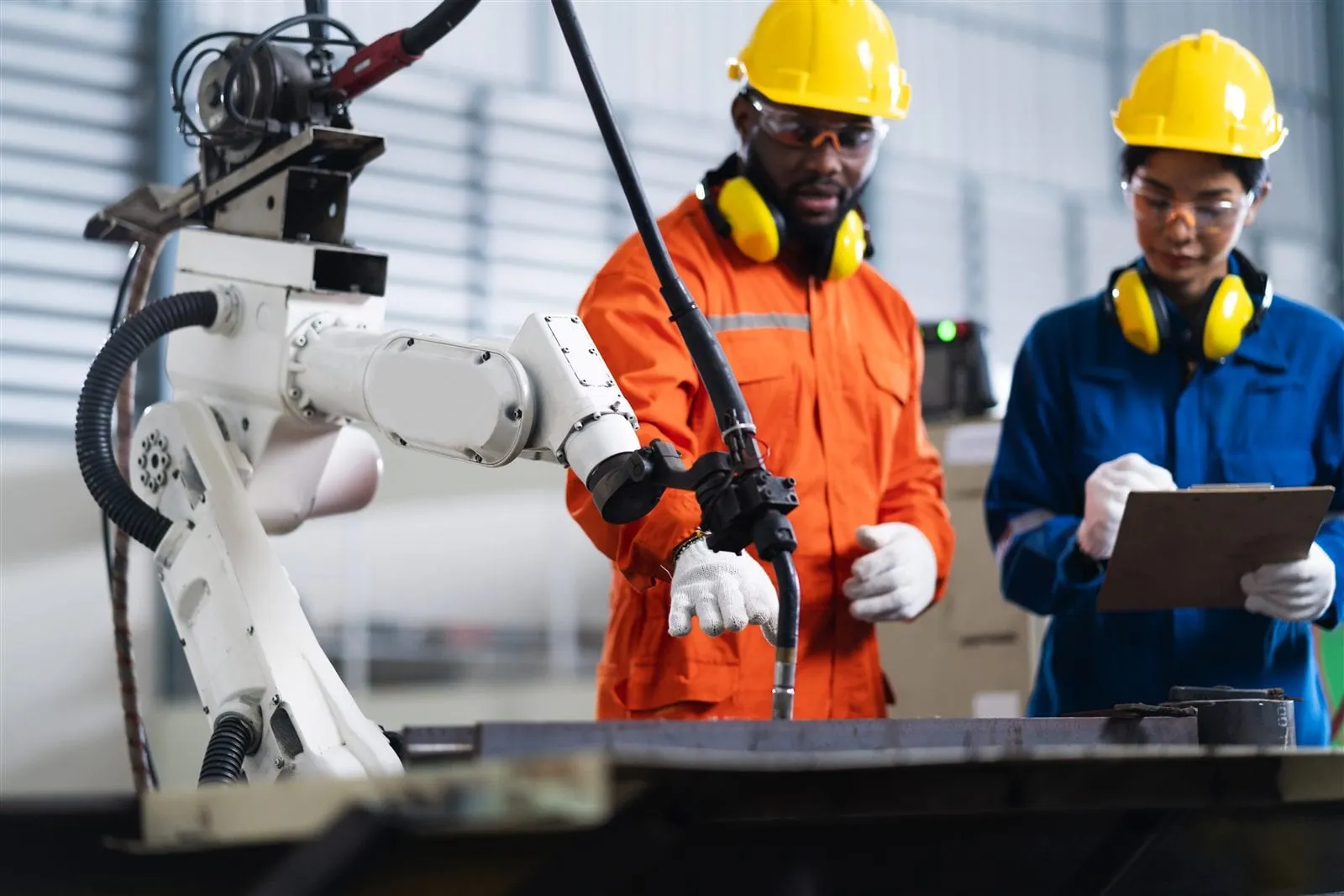
The case for building a business around everything except the robot.

What the national automation targets mean on the ground.