The compliance gap between a demo and a deployment
The distance from “it works on stage” to “it is legal on your floor”.
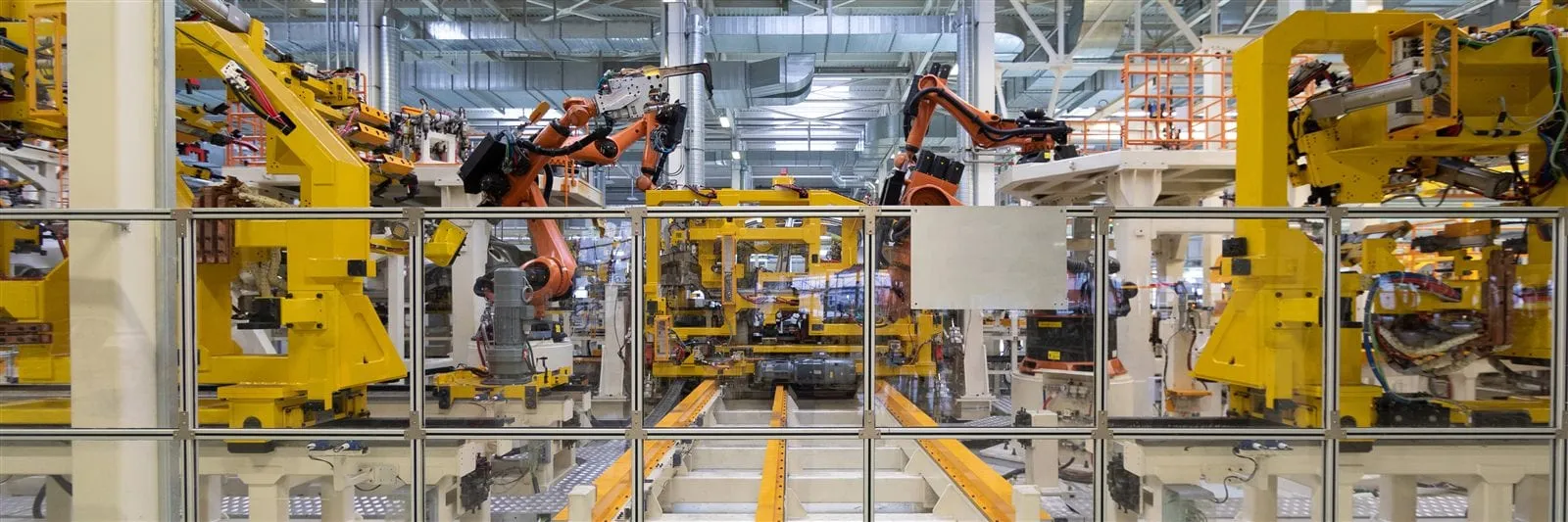
The three forces turning a decade of promises into working machines.
Service robotics has been “about to arrive” for the best part of a decade. Several forces are now converging to make this the moment it actually does.
Trade shows have shown working demos of cleaning, delivery and logistics robots for years, with deployment always described as imminent. Most of those demos never left the show floor — the gap between a working prototype and a fundable deployment stayed wide.
What has changed recently is not the existence of the technology. It is the alignment of the conditions around it — labour, cost and regulation — that decide whether a demo becomes an order.
“The technology was never really the constraint. The constraint was whether the economics and the paperwork lined up behind it — and for the first time, on several fronts at once, they now do.”
Three forces are doing the actual work, and none of them is new on its own.
IRU’s 2024 driver-shortage findings and WEF’s Future of Jobs 2025 report both point at scarce, ageing labour across operations and logistics roles — a structural pressure that does not reverse on its own. Falling hardware and compute costs, tracked by Grand View Research’s 2025 analysis, have made the business case easier to close.
Alongside both, the regulatory picture across Europe has firmed up rather than stayed vague, giving buyers a clearer path to a compliant deployment instead of an open-ended pilot.
WHAT TO TAKE AWAY
The technology has been ready for longer than the deployments suggest.
IRU 2024 and WEF 2025 both flag structural labour scarcity in operations roles.
Falling hardware and compute costs make the business case easier to close.
A firmer regulatory picture is turning pilots into standing orders.
Put the three forces together and the shift from demo to deployment stops looking sudden.
None of labour scarcity, falling costs or regulatory clarity was decisive on its own. Together, they remove the three main reasons a buyer used to defer: no clear cost case, no available staff to compare against, and no settled compliance path.
That is the quiet story behind the current wave of interest across Europe, the UK, the Gulf and MENA — not a single breakthrough, but three separate obstacles clearing at roughly the same time.
EDITORIAL RULE
Sourced or silent. Every figure on this page carries an attributed, dated source. Where we could not source a number, we left it out rather than estimate it.
SOURCES

A QUESTION
One person answers — from the first email to the room.
nh_alliance
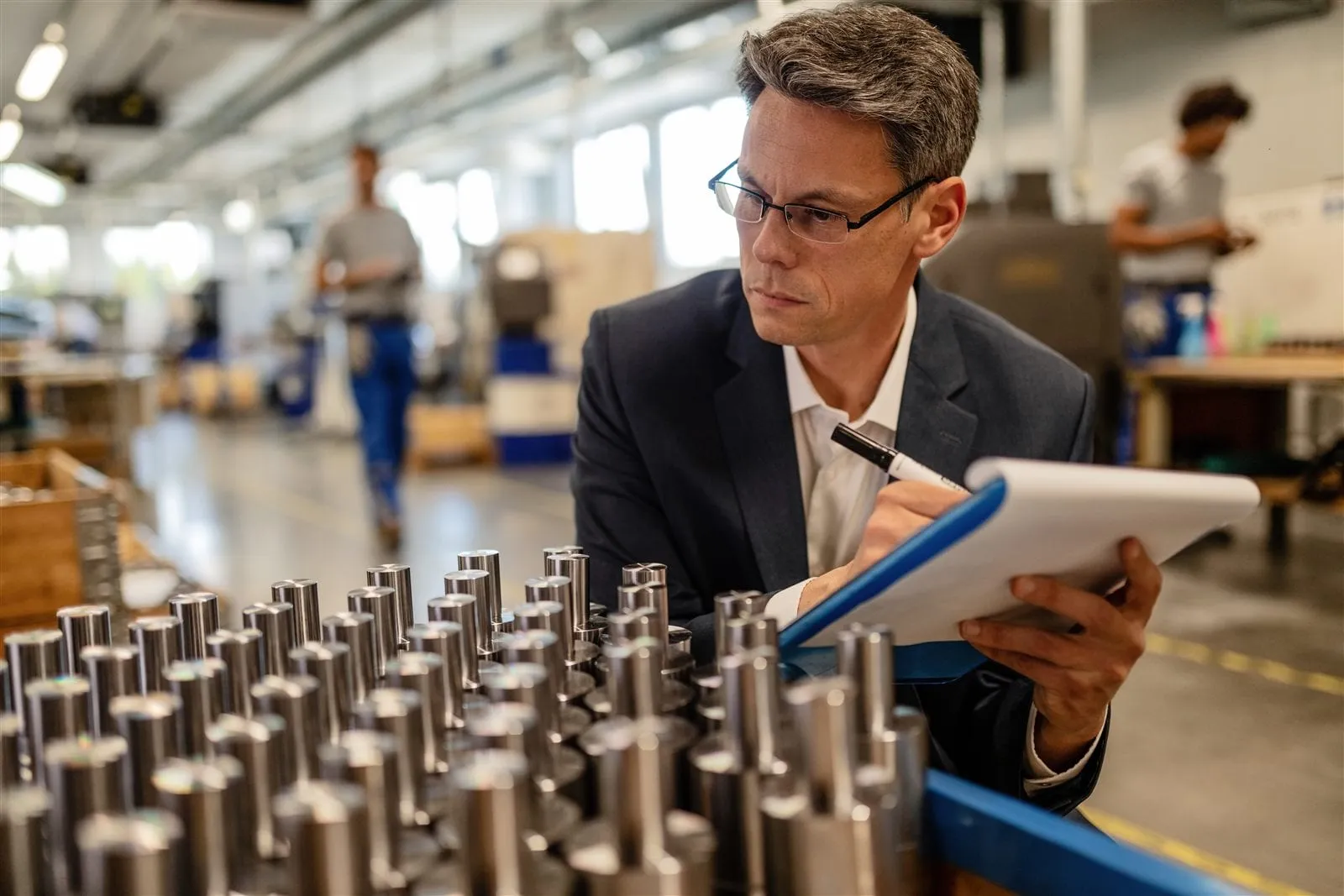
The distance from “it works on stage” to “it is legal on your floor”.
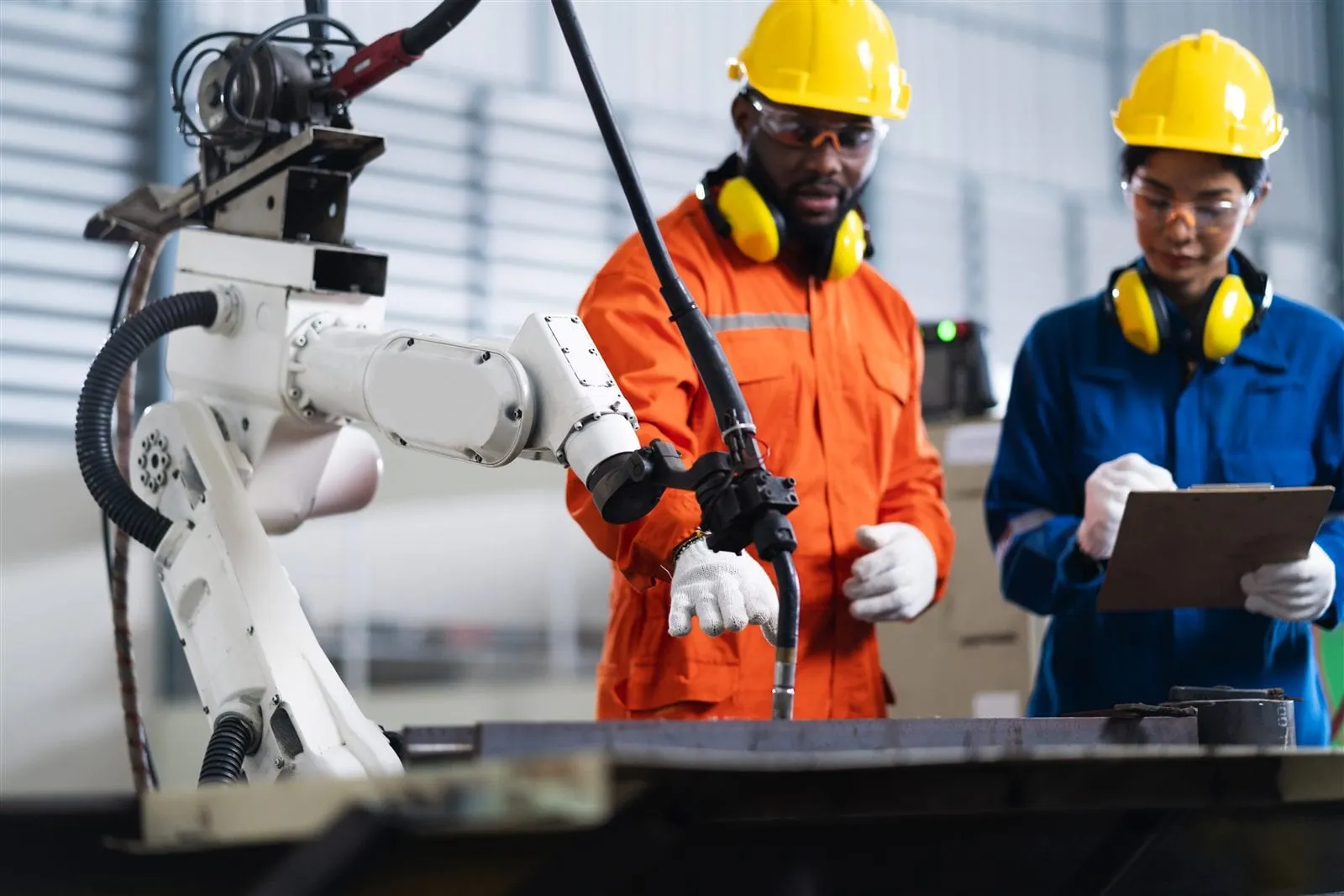
The case for building a business around everything except the robot.

What the national automation targets mean on the ground.