The compliance gap between a demo and a deployment
The distance from “it works on stage” to “it is legal on your floor”.

How far behind the leaders the region runs — and why that is the opening.
Robot density is the clearest single measure of how automated a market already is — and by that measure, Europe and the Gulf are still catching up.
IFR’s World Robotics 2025 report places East Asian markets — South Korea and Singapore among them — well ahead of the field on robot density, with Germany the strongest showing among the European leaders and the Gulf further back on the same table.
That gap has been visible for years in industrial robotics. What is newer is that service robotics — cleaning, delivery, logistics support — is opening the same question on a category where the leaders have far less of a head start.
“Being behind on density is not a verdict. On service robotics specifically, it is closer to an opening — the category is young enough that catching up is still on the table.”
The leaders got there on industrial robotics, over a longer runway than service robotics has had.
South Korea, Singapore and Japan built their density over decades of manufacturing automation, much of it before service robotics existed as a category. Europe’s leaders and the Gulf’s fastest movers are working from a shorter runway and a different starting mix of industries.
That difference in history matters more than the raw density figure. It means the gap in service robotics is not simply a smaller version of the industrial gap — it is a separate race, starting closer to the same line.
WHAT TO TAKE AWAY
IFR’s World Robotics 2025 confirms the density gap is real, not a perception.
The gap in industrial robotics was built over decades; service robotics has had far less runway.
A shorter runway means the service-robotics race starts closer to level.
Under-roboticised, on this category, reads as opportunity rather than deficit.
The opening is not hypothetical — it shows up in where deployment is actually happening.
National automation targets across the Gulf, and rising deployment across Europe’s logistics and facilities sectors, both point at markets moving to close the density gap rather than accept it. WEF’s Future of Jobs 2025 report ties this directly to labour scarcity in exactly the operations roles service robots are built to cover.
For an operator deciding when to move, a market that is behind on density but actively closing the gap is a different proposition to one that is simply behind. Europe, the UK, the Gulf and MENA currently sit in the first category.
EDITORIAL RULE
Sourced or silent. Every figure on this page carries an attributed, dated source. Where we could not source a number, we left it out rather than estimate it.
SOURCES

A QUESTION
One person answers — from the first email to the room.
nh_alliance
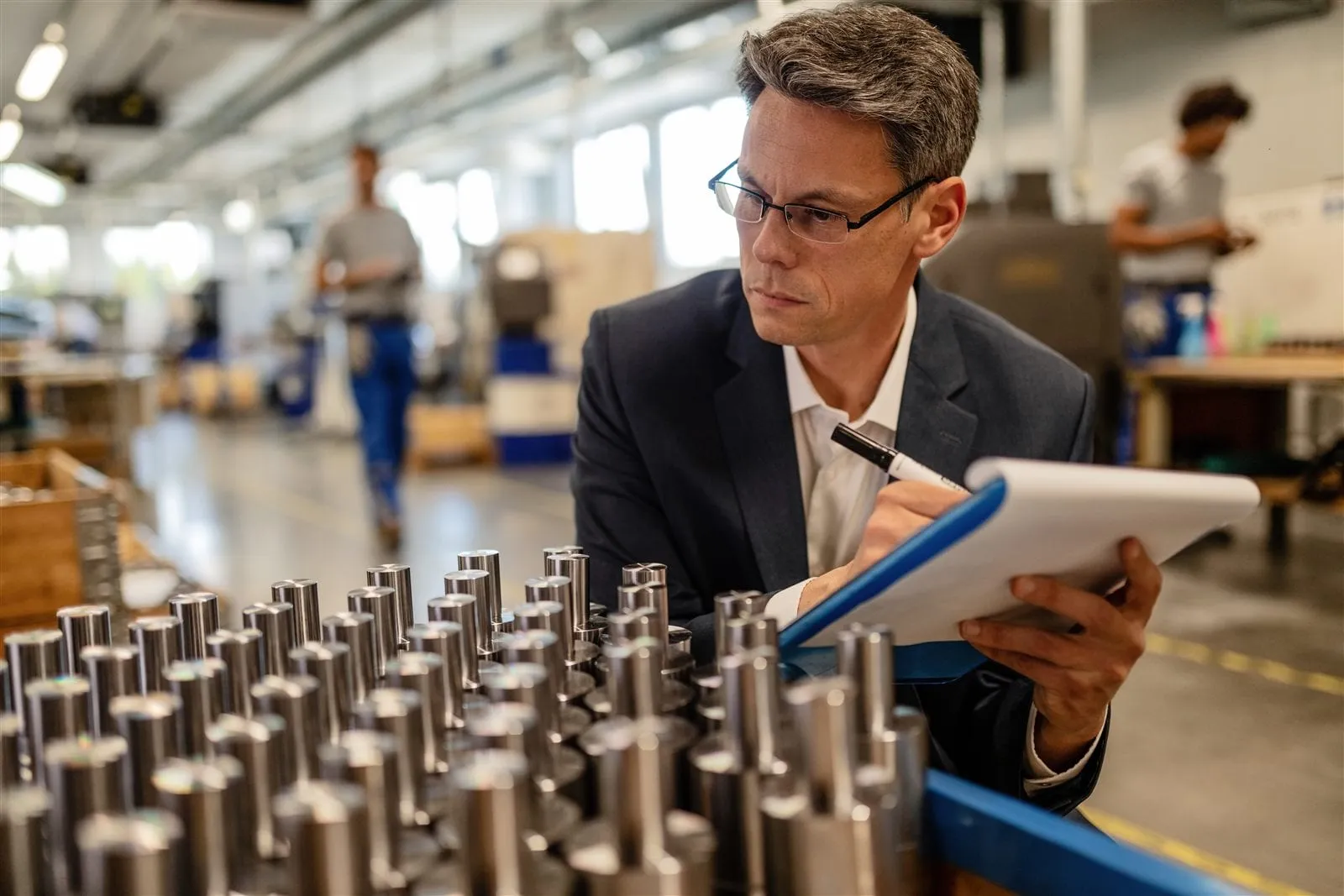
The distance from “it works on stage” to “it is legal on your floor”.
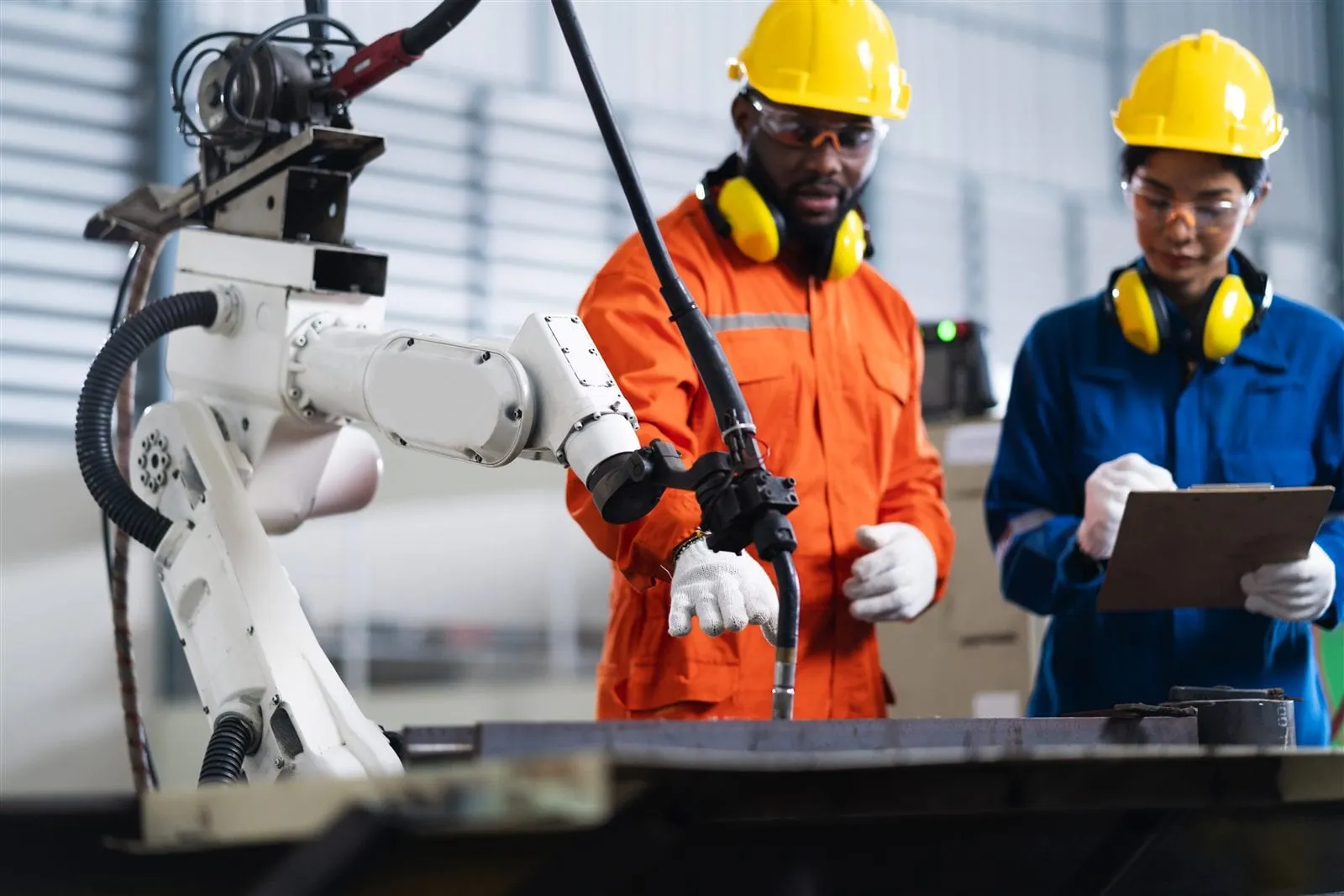
The case for building a business around everything except the robot.

What the national automation targets mean on the ground.